Throughout Scripture, God speaks with fierce clarity about His heart for the shepherds of His people. He does not mince words when those entrusted with care abandon their post or exploit their flock. In Ezekiel 34, we hear the voice of the Lord rising with grief and righteous anger:
"Woe to the shepherds of Israel who only take care of themselves! Should not shepherds take care of the flock?... You have not strengthened the weak or healed the sick or bound up the injured. You have not brought back the strays or searched for the lost. You have ruled them harshly and brutally. So they were scattered because there was no shepherd..." (Ezekiel 34:2-5, NIV)
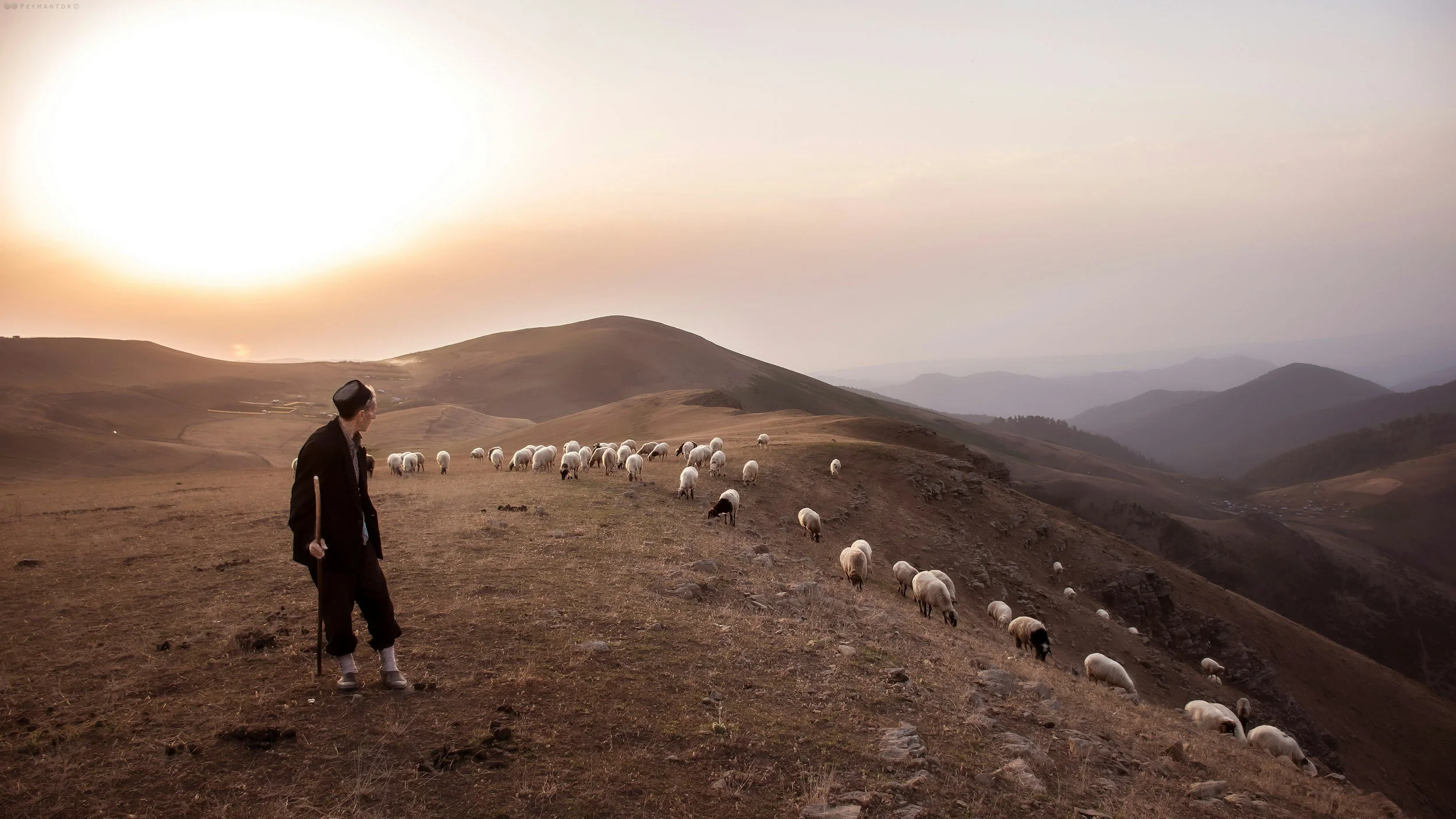
These ancient words are heartbreakingly relevant in our modern moment. We live in an era where ministry leaders are worn thin, spiritually depleted, emotionally bruised, and often-quietly-disillusioned. These are not false shepherds bent on abuse. More often, they are good shepherds who are bleeding, but still holding a staff. They are wounded while still walking. And the flock is watching.
A Crisis of Health, Not Calling
The leadership crisis we are witnessing in the Church today is not merely a crisis of calling-it is a crisis of health. Shepherds who once thrived in service to their congregations now find themselves isolated, exhausted, and deeply unsure if they can continue.
These wounds don’t always come from scandal or moral failure. Many times, they come from:
years of unresolved conflict
pressure to perform without space to rest
transitions mishandled in secrecy or haste
toxic board dynamics
the soul erosion of always being needed and rarely being known
Jesus looked on the crowds in His day and saw them as "harassed and helpless, like sheep without a shepherd" (Matthew 9:36). But in our day, the inverse is also true: we now have shepherds without refuge-leaders tasked with guiding the flock while no one tends to their wounds.
God’s Response: "I Myself Will Search for My Sheep"
The beauty of Ezekiel 34 is that God doesn’t just condemn the shepherds-He promises to intervene.
"I myself will search for my sheep and look after them. As a shepherd looks after his scattered flock when he is with them, so will I look after my sheep... I will rescue them... I will bind up the injured and strengthen the weak..." (Ezekiel 34:11-16, excerpts)
This is not just a promise of divine rescue. It is a model of shepherding. When the under-shepherds fail or fall, God steps in with tenderness, pursuit, healing, and protection.
The ultimate fulfillment of this promise is Jesus-the Good Shepherd-who lays down His life for the sheep (John 10:11). But He doesn’t just offer salvation. He offers a model for leadership rooted not in domination, but in devotion. Not in performance, but in presence.
What Does a Healthy Shepherd Look Like?
A healthy shepherd is not a perfect leader. A healthy shepherd is a human one-anchored in God’s presence, emotionally honest, spiritually formed, and relationally supported.
Healthy shepherds follow the rhythms of Jesus, who withdrew to pray, welcomed interruptions with grace, and didn’t let the crowd’s applause or criticism determine His course.
A healthy shepherd:
Leads from overflow, not obligation
Knows how to rest without guilt
Is surrounded by peers, not just followers
Prioritizes spiritual formation over platform growth
Acknowledges wounds instead of hiding them
Healthy shepherds live as if the care of their soul is ministry, not a luxury after it. And when leaders live this way, the flock responds with trust, health, and resilience.
What Happens When Shepherds Are Wounded?
The ripple effects are real. When shepherds lead from an untended wound, the flock can begin to mirror that dysfunction. A wounded shepherd may:
avoid healthy conflict
mask exhaustion with performance
withdraw emotionally from their team or family
spiritualize dysfunction instead of naming it
And slowly, without even realizing it, the church begins to lose its clarity, its joy, its warmth. Programs may run. Services may continue. But the atmosphere changes. The sheep sense it, even if they can't name it.
What the Church Must Learn to Do
Transition is never just structural. It’s deeply personal.
If the Church is to thrive in this next season, we must create environments where shepherds can bleed without fear of exile. We need to:
Normalize counseling, coaching, and soul care for leaders.
Build in rhythms of sabbatical and rest.
Train boards and elder teams in trauma-informed leadership.
Handle transitions with grace, not secrecy or shame.
Encourage pastors to be known-not just needed.
This is not optional. The health of the Church depends on the health of its shepherds.
When we tend to the shepherds, the flock begins to flourish.
He Restores My Soul
Psalm 23 isn’t just a poetic passage for funerals. It is a blueprint for life and leadership:
"The Lord is my shepherd, I shall not want... He makes me lie down in green pastures. He leads me beside still waters. He restores my soul."
Healthy ministry begins with restored souls. And restoration is not a solo project. It is something we receive from God and are supported in through community.
If you are a ministry leader today and you feel like you're limping along-know this: God sees. God tends. God restores.
And if you love the Church and care about its future-invest in the shepherds. Not just the ones in your pulpit, but the ones quietly questioning if they can keep going.
God has not stopped calling shepherds. But it’s time we start creating spaces where they can heal, grow, and lead with joy again.
Because when shepherds are made whole, the flock is no longer scattered.
It is gathered. It is safe.
And it thrives under the care of the Good Shepherd.

Matt Davis served as a Teaching and Executive Pastor for more than two decades in Orange County, California. After going through his own pastoral transition out of ministry, Matt learned the difficulty of this season. He helped start Ministry Transitions, a ministry committed to helping ministry leaders navigate transitions with grace. As President, he seeks to bring healing a reconciliation to churches and their people.